Thinking inside the box.
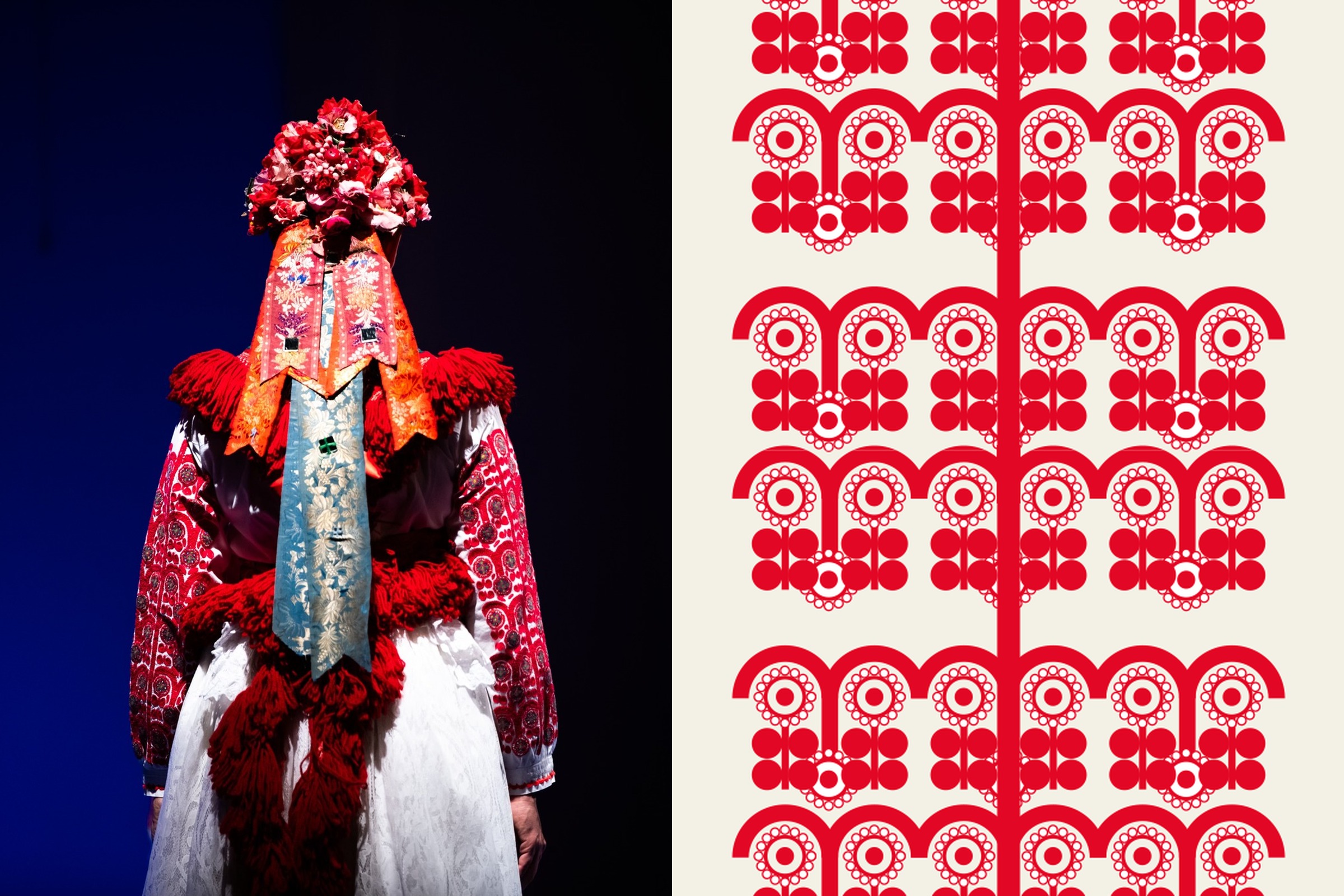
The Sony Walkman, sixty amateurs and three projects from our studio
By Anja Zambelli Čolak
Do you think of yourself as a creative person?
If you answered “not really”, you’re not alone. For most people, creativity is a talent: you either have it or you don’t. In teams, that usually means ideas are expected from one person or from an agency, while everyone else politely waits.
When you work in design, people assume ideas just come to you, ideally in the shower. Sometimes they do. But when a client is expecting a presentation on Thursday, I wouldn’t rely on the shower.
When ideas don’t come, we’re left with two reflexes. The first is to add: one more colour, one more message, one more service. The second is to look at what others are doing. Today that’s easier than ever, because AI will put together a hundred variations of what already exists in a few seconds. That is where much of the sameness we see every day comes from. Nobody really meant to copy, everyone was just looking at the same benchmark.
There is a method that looks at creativity quite differently. It’s called Systematic Inventive Thinking, or SIT. It starts from the assumption that creativity can be learned as a process, and that inspiration is welcome but not a requirement. Its second assumption is that original solutions are usually very close, inside what you already have. Drew Boyd and Jacob Goldenberg wrote a book about it with a rather cheeky title for a world that loves “think outside the box”: Inside the Box.
I like the idea, with one reservation. No method will decide for you what is good. It can lead you to solutions you wouldn’t otherwise see, but which of them really belongs to your brand is still a matter of taste and experience.
Creativity has patterns
In 1999, Goldenberg, together with David Mazursky and Sorin Solomon, published a study in Marketing Science on how good ads come about.1 First they analysed award-winning ads and found a small number of creative patterns that kept recurring. Those patterns accounted for half of the award-winning ads, and only 2.5 percent of the non-winning ones.
The next step is the more interesting one. Sixty people who had never worked in advertising were divided into three groups. The first had no training at all. The second learned free association, a technique similar to brainstorming. The third spent less than two hours learning the patterns. The ideas from all three groups were then rated by people who didn’t know where they came from. The ideas from the group that learned the patterns were rated the most creative for all three products. Free association did no better than no training at all.
For me, that is the most important finding in the whole story. People with no experience in advertising, after two hours of learning rules, came up with better ideas than those who waited for something to occur to them. Creativity, in other words, can be codified. And what can be codified can be learned, not just by one person, but by a whole team.
If you have worked with design thinking, you know the five-step process: understand the user, define the problem, come up with ideas, build a prototype and test it. Design thinking is excellent at leading you to the right problem. At the ideas stage, though, it often leaves you facing a blank page and a brainstorm. That is where SIT gives you rules. Instead of asking “what could we come up with?”, it asks “what can we do with what we already have?”. To me, the two methods don’t exclude each other. They complement each other.
Three rules and three projects
SIT has several such rules. The three I find most useful in my work are easiest to explain through examples, everyday ones and our own.
The first is subtraction. Sony removed the recording function from the first Walkman, something everyone at the time considered an essential part of a cassette player.2
This rule takes the most discipline. In 2021, Gabrielle Adams, Benjamin Converse, Andrew Hales and Leidy Klotz published a series of studies in Nature showing that people systematically overlook solutions that take something away.3 In one task, only 20 percent of participants solved it by subtraction. Of 651 suggestions a new university president received for improvements, only 11 percent proposed getting rid of something. When participants were reminded that subtraction was an option, such solutions became more common. If adding is a reflex, subtracting is a decision. That’s why it helps to have it written down as a rule.
Surf’n’Fries is one of our oldest projects. We created the packaging in 2008, and over time the brand grew into a franchise with more than 50 locations worldwide. When it was time to franchise, we took one colour away from the packaging. To the average customer, the design stayed the same, and the client saved a great deal of money on printing. Nobody noticed anything was missing, and that was the point.

The second is addition, with one condition. You don’t add just anything. You multiply an element you already have and change it. A camera that flashes twice before taking a picture multiplied its flash and reduced red-eye.2 That is the difference between innovation and clutter.
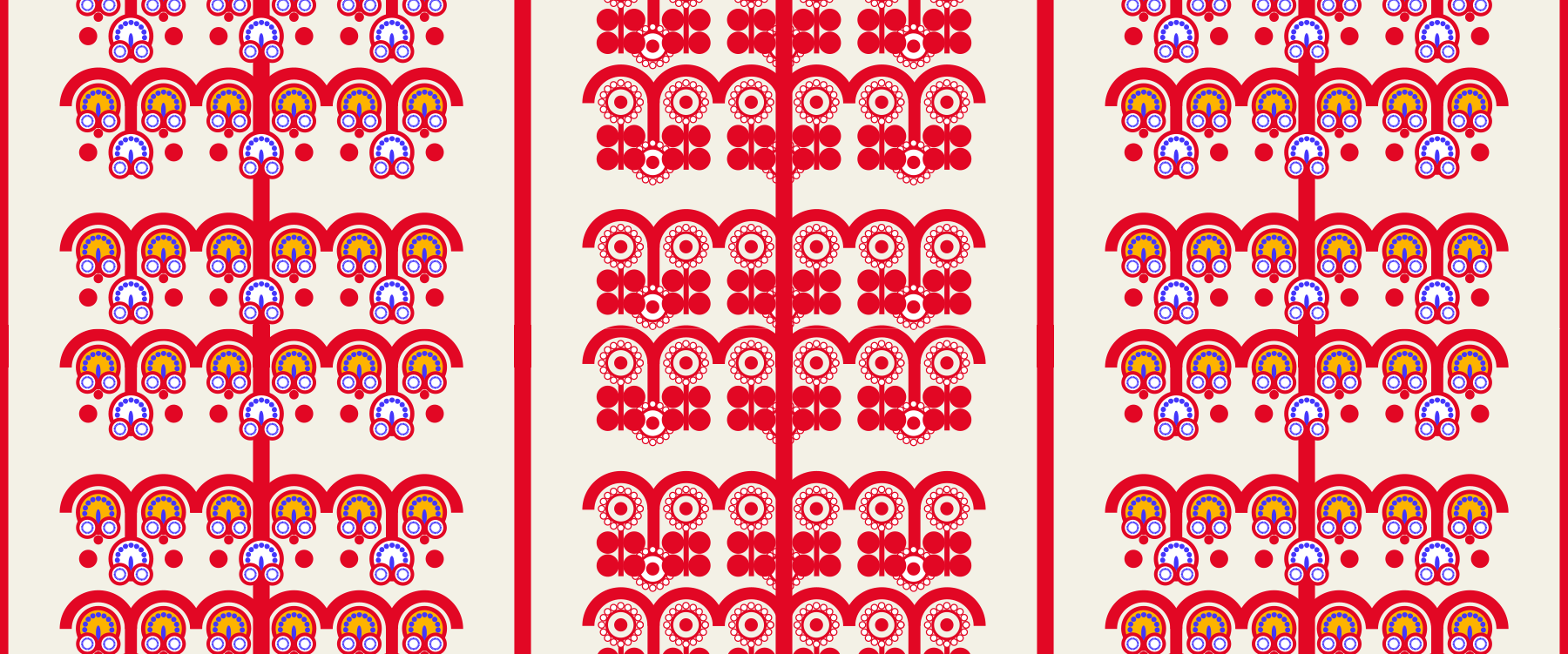
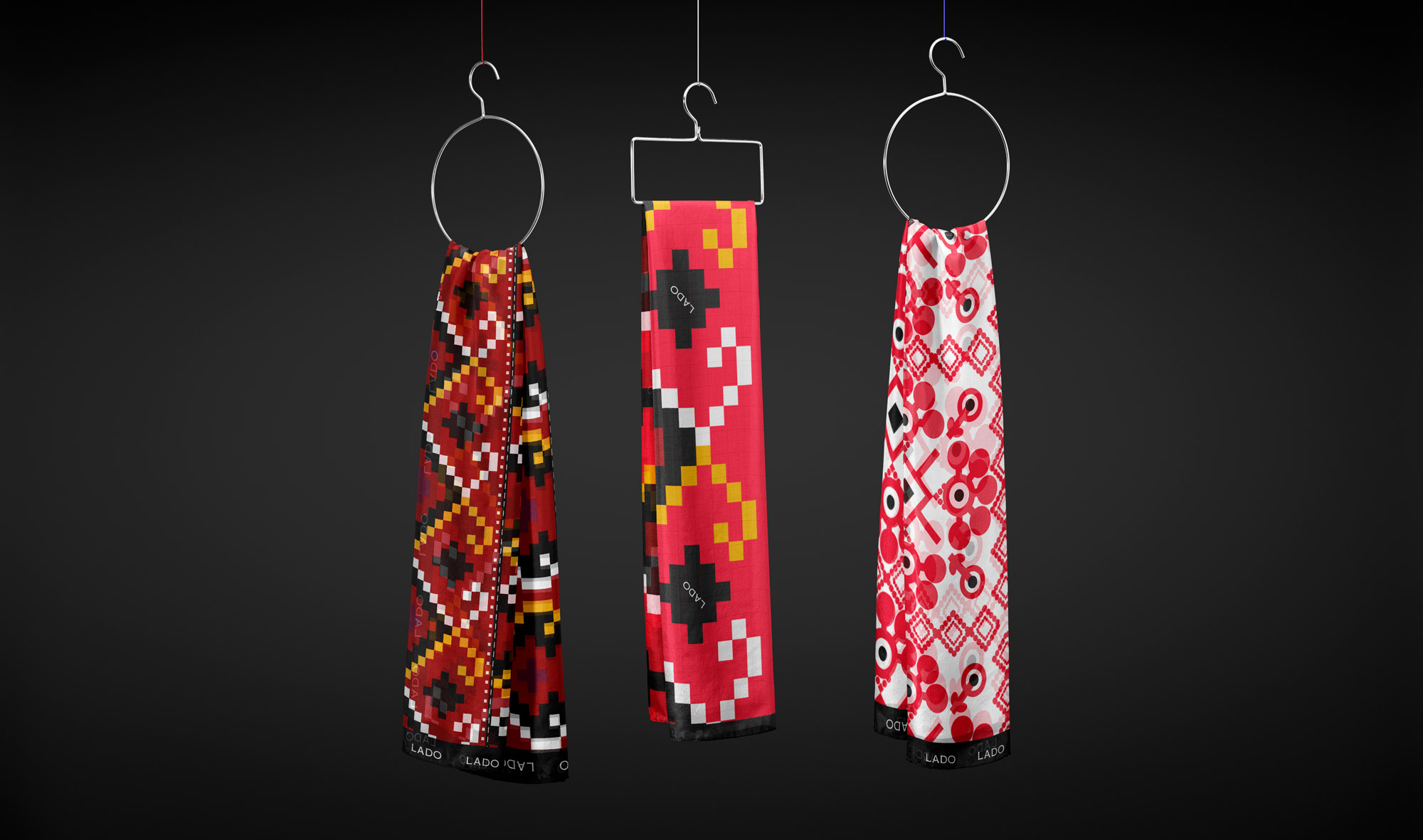
For Lado, the National Folk Dance Ensemble of Croatia, we added graphic textures to the visual language, inspired by folk costumes from Lika, Slavonia, Istria, the islands and Dalmatia. We didn’t invent anything from outside. We took what Lado already has on stage and turned it into modules and rhythms. The textures make communication much easier, and production too, from print and merchandise to digital.

The third is letting one part of the system take over the role of another. And here we’re back to Sony. On the Walkman with a radio, the headphone cable also took on the role of the antenna.4
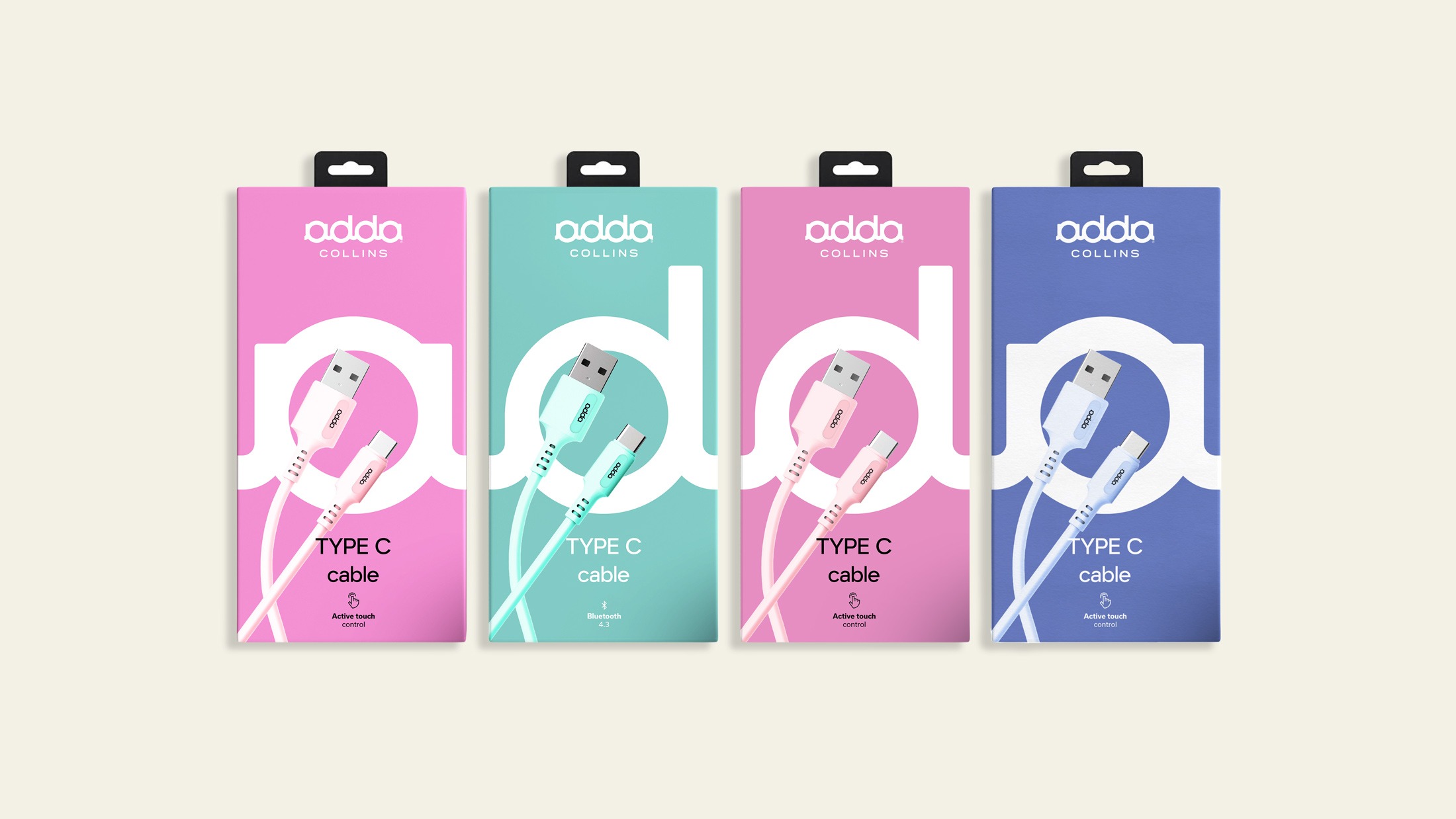
For Adda Collins, a mobile accessories brand, we put one letter of the logo in the background of each box. When the boxes are stacked on the shelf, together they form a large logo. The packaging took over the job a display would otherwise do in the shop.
These three projects were made in different years, for completely different clients. But none of those solutions came from someone else’s feed. All three were already in the brand, they just needed to be seen. That’s why I think these rules are the shortest path to authenticity.
Creativity as a team skill
For a brand owner, this raises a very concrete question: where do your new ideas come from? If the answer is “from one person” or “we saw others doing it”, you have two problems. Your creativity depends on someone’s inspiration, and your brand is becoming more and more like its category, even when every single decision looks good.
When a team shares the same rules, an idea can come from anyone. From sales, from production, from someone who talks to customers every day. They don’t have to be “the creative one”, they just need to know which questions to ask.
Benchmarking makes sense, and it matters to know what others are doing. It just won’t tell you what you can do that they can’t. So I would add three questions to it. What can we take away without the customer losing anything? What do we already have that could be multiplied and changed? And which part of our brand could take over the job of another part?
In the Croatian market, a large part of my work often comes down to showing that things can be done differently. These three questions are one of my most useful tools for that, because they don’t look for “different” outside.
If you want to try it, at your next meeting take one product, one piece of packaging or one page of your website and ask your team just the first question: what could we take away? If nobody suggests anything, take comfort in the fact that it was hard for the participants of the Nature study too. And if there are too many suggestions, that’s what we’d like to hear when you get in touch.
Research background: Jacob Goldenberg, David Mazursky and Sorin Solomon, “The Fundamental Templates of Quality Ads”, Marketing Science, 1999; Gabrielle S. Adams, Benjamin A. Converse, Andrew H. Hales and Leidy E. Klotz, “People systematically overlook subtractive changes”, Nature, 2021; Drew Boyd and Jacob Goldenberg, Inside the Box, Simon & Schuster, 2013. Examples: Surf’n’Fries, Lado and Adda Collins, Zambelli Brand Design.
Sources
- Goldenberg, Mazursky and Solomon, “The Fundamental Templates of Quality Ads”, Marketing Science, 1999
- Drew Boyd, “Innovation Inside the Box”, IndustryWeek, 2013
- Adams, Converse, Hales and Klotz, “People systematically overlook subtractive changes”, Nature, 2021
- Systematic Inventive Thinking, “Task Unification”